- April 1, 2026
Clive Bright on Nature, Farming, Biodiversity and Living in Natural Cycles
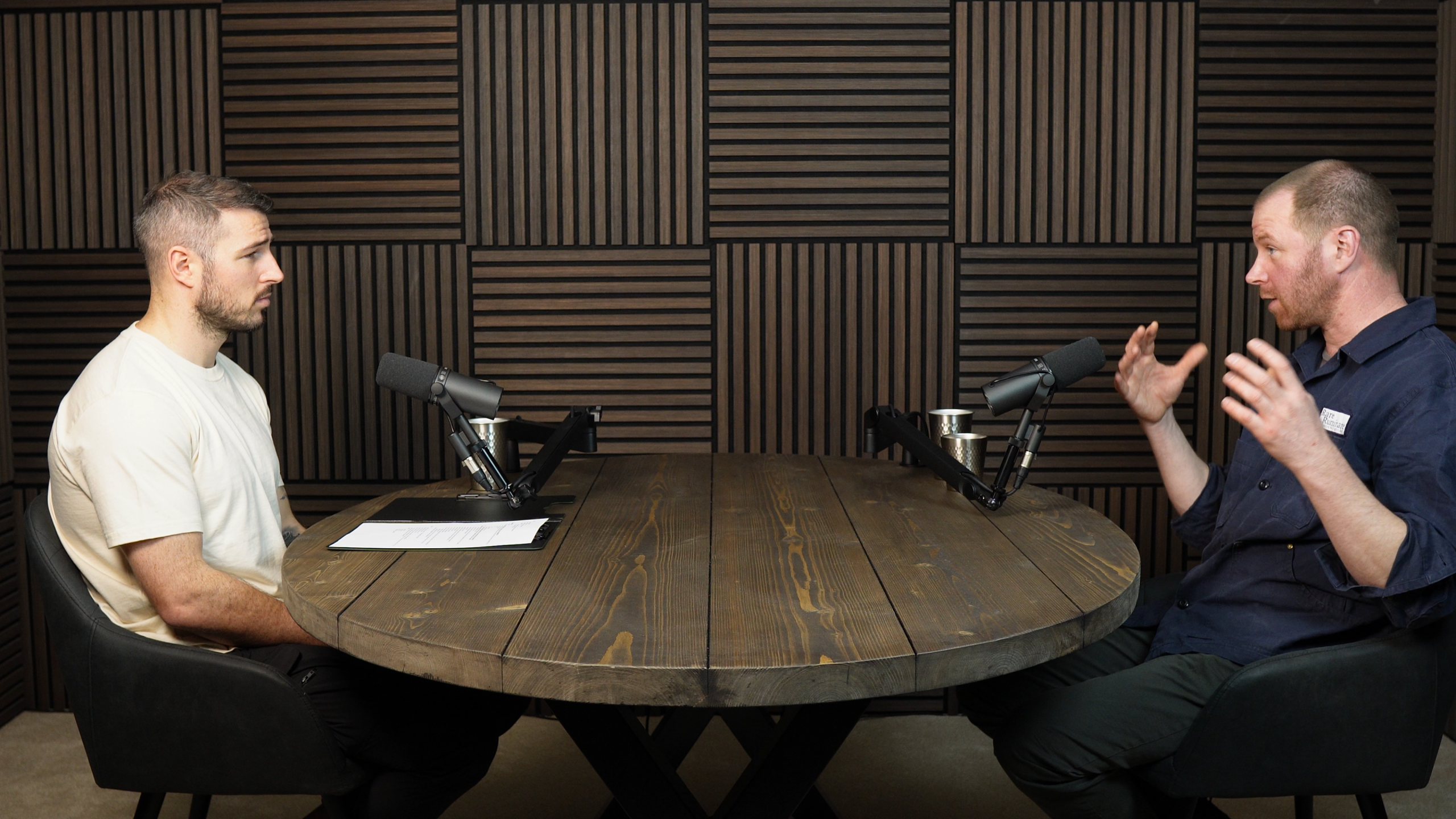
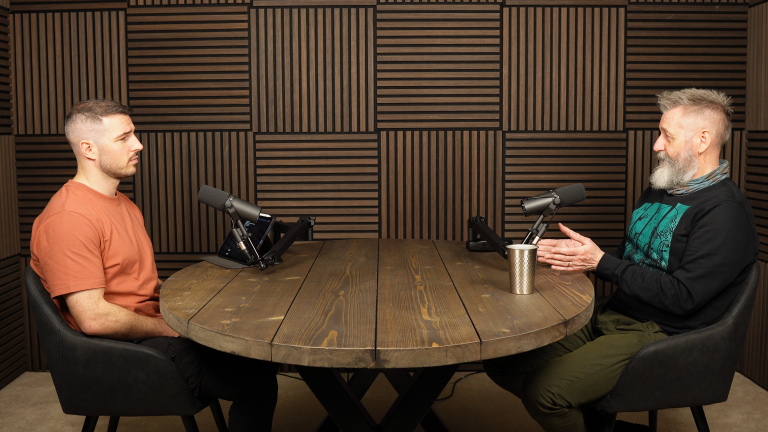
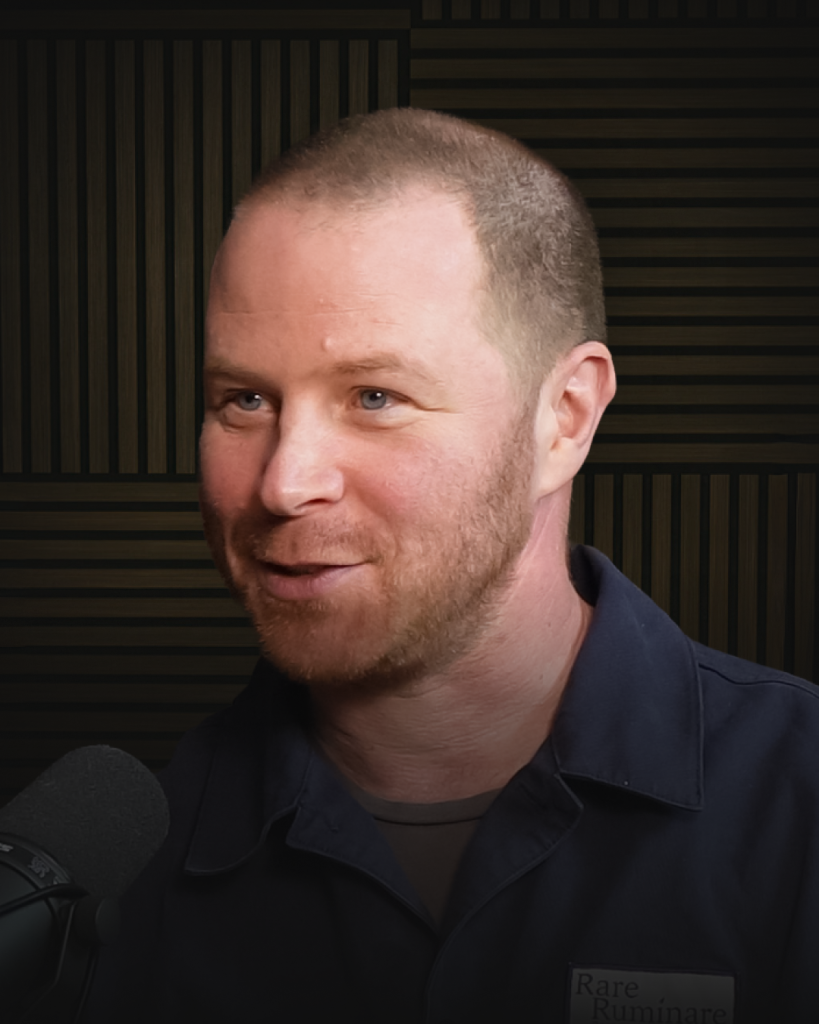
In this episode of Life & Depth, I sat down with Clive Bright for a conversation that felt thoughtful, grounded, and deeply connected to the land.
Clive is a farmer, artist, illustrator, and designer based in County Sligo. He raises 100 percent pasture-fed organic cattle on his 120 acre farm, practises holistic planned grazing, and is building a farming system centred on biodiversity, soil health, and ecological function.
Rethinking Habitat in Farming
A big part of this conversation was about habitat, and not just in the way we normally think about it.
Most people understand habitat when it comes to birds, insects, or wildlife. But Clive brought that same idea into farming. He spoke about how livestock also come from nature, yet many farming systems are designed more around human convenience and production than around the animal’s natural environment.
What changed everything for him was beginning to ask a different question: what would a more natural habitat for cattle actually look like? As he moved his farm closer to that idea, the whole system became easier, with fewer welfare issues and less illness.
Humans as Part of Nature
What stood out was that Clive was not only talking about animals. He was also talking about us.
His view is that humans are part of nature too, and the more we learn to live within natural cycles, the more sustainable and healthy life becomes. He was not talking about escaping modern life or living in the woods.
He was talking about something simpler and more practical: understanding the natural systems we depend on, respecting them, and making decisions that align with them.
Diversity Creates Resilience
We also explored the idea that diversity creates resilience.
Clive explained that many modern systems, in farming and in life, aim for simplicity, neatness, and control. But nature does not really work like that. On the land, simplification can leave a system vulnerable.
Diversity, on the other hand, gives it strength. Better decisions come when we think in whole rather than reducing everything down to one narrow goal. That idea runs through his whole way of farming.
Working With Natural Cycles
This was especially clear in how he described grass and grazing.
Instead of trying to manage pastures for one narrow stage of high-performance grass, Clive works with different life stages of grass across the farm. That creates more resilience through the seasons and has allowed him to extend grazing right through the year.
His approach is not about forcing the land into a tight system. It is about working with natural cycles in a way that gives both the pasture and the animals more staying power.
Agroforestry and the Role of Trees
Another important part of the conversation was agroforestry and the role of trees in farming.
Clive is introducing trees into his grazing system to create a more diverse woodland pasture environment. He described this as something closer to a natural habitat for cattle, but also far richer for the wider landscape.
Trees add another layer of photosynthesis, deeper root systems, more shelter, more plant diversity, and more resilience overall. Even the animals benefit from having access to leaves, hedges, and different plant species they would never encounter in a simplified system.
Challenging the Idea of Neatness
One of the most interesting threads in the episode was Clive’s challenge to the idea of neatness.
He made the point that humans often love tidy landscapes, clipped hedges, and controlled appearances. But in ecological terms, that neatness can come at a cost.
What he is trying to build instead is a farm with more life, more layers, and more abundance. In his view, a bit of chaos is not a problem to be removed. It is often where resilience begins.
Rethinking Tradition
We also spoke about tradition, and this was one of the deeper parts of the conversation.
Clive reflected on how tradition can carry real wisdom, but it should not be followed blindly. Some traditions come from close observation of nature. Others are simply repeated because that is how things have always been done.
His approach is to look for the root wisdom underneath a tradition. Once you understand the real reason something was done, you can adapt it in a way that still serves today’s context.
Thinking in Tree Time
There was also something deeper in the way Clive thinks about time.
He spoke about “thinking in tree time” and how stepping beyond the short-term human view can help us make better decisions. Instead of only thinking in seasons, years, or even one lifetime, he tries to think in generations.
That perspective brings patience, responsibility, and a wider sense of what it means to care for a landscape.
Building a Viable Farming Life
Another valuable part of the episode was the reality of building a viable farming life.
Clive spoke honestly about how hard it can be to work within a conventional beef system and still make a return. He described the frustration of doing everything the standard way and ending up with little to show for it.
That pushed him to look for a different path through organic farming and direct selling, where he found not only a better economic fit, but also a stronger sense of community and generosity.
Final Reflection
What stayed with me after this conversation is that Clive is really talking about much more than farming.
He is talking about relationship. Relationship with land, with animals, with time, with tradition, and with the natural world we are part of whether we acknowledge it or not.
His story is a reminder that healthier farms, healthier ecosystems, and healthier people may all begin in the same place: by learning to work with nature instead of against it.
This is a conversation about biodiversity, soil, farming, resilience, and the deeper wisdom found in natural systems.
If you care about food, land, ecology, or simply living in a way that feels more grounded and aligned, this episode will give you a lot to think about.
GUEST
Clive Bright
DATE
- April 1, 2026
SHARE
-
00:00
Why humans need a natural habitat
Clive explains that humans, like all living beings, require a natural habitat to truly function well. Modern environments often disconnect us from nature, which impacts both physical health and mental well-being.
-
00:18
Meet Clive Bright & Rare Ruminair farm
Ryan introduces Clive and his Rare Ruminair farm, a 120-acre organic, pasture-fed system in Sligo. Clive shares his approach of designing land as a living ecosystem rather than a production-focused farm.
-
00:52
Holistic planned grazing and year-round grass
Clive outlines how holistic planned grazing allows cattle to stay on grass all year without housing. This approach improves soil health, reduces inputs, and aligns farming with natural systems.
-
02:51
Natural cycles, health and thinking with nature
The conversation shifts to understanding simple natural cycles like photosynthesis and water. Clive emphasizes that working with these cycles leads to healthier ecosystems, animals, and people.
-
04:40
Water cycles, floods and soil resilience
Clive explains how healthy soil structure improves water absorption and reduces flooding. By building resilient land, farms can better handle extreme weather conditions like droughts and heavy rain.
-
09:36
Diversity vs simplification in farming systems
They explore how modern farming often simplifies systems, which creates vulnerability. Clive highlights that diversity in plants, animals, and practices builds resilience and long-term stability.
-
12:23
Thinking in “tree time” and long-term decisions
Clive introduces the idea of “tree time,” thinking in decades or centuries instead of seasons. This mindset changes decision-making toward sustainability and long-term impact.
-
16:53
Holistic management as a decision framework
Holistic management is presented as a way of thinking rather than a strict set of rules. It helps farmers ask better questions and make decisions that consider the whole system.
-
19:19
Inheriting the family farm and questioning tradition
Clive reflects on taking over the family farm and the challenge of questioning long-held traditions. He discusses balancing respect for the past while making necessary changes.
-
21:17
Shifting towards organic: curiosity and first steps
He shares how curiosity led him to transition toward organic practices. Small initial steps gradually reshaped the entire farming approach.
-
23:50
Mentors, homesteads and closed nutrient loops
Clive talks about the influence of mentors and alternative farming models. He highlights the importance of closed nutrient loops and self-sustaining systems.
-
25:33
Scaling regenerative ideas to 120 acres
The discussion focuses on applying regenerative principles at a larger scale. Clive explains how these ideas can work practically across an entire farm.
-
28:19
Culture, advice and learning to think for yourself
They explore how external advice and cultural norms can shape decisions. Clive stresses the importance of independent thinking and observation.
-
36:23
Diversity as resilience in land, business and community
Diversity is expanded beyond farming into business models and communities. Clive explains how varied systems create strength and adaptability across all areas.
-
51:46
From 80s dairy model to designing a perpetual farm
Clive reflects on moving away from an intensive dairy model toward a regenerative, long-term farm design. The goal becomes creating a self-sustaining system that can thrive indefinitely.
Subscribe to Life & Depth for weekly conversations on the deeper side of life.

Clive Bright
Clive Bright is a farmer, artist, illustrator, and designer based in County Sligo. He runs a 120-acre farm where he raises 100% pasture-fed organic cattle using holistic planned grazing. His work focuses on building farming systems rooted in biodiversity, soil health, and ecological function.
Through his approach, Clive explores how aligning agriculture with natural systems can improve animal welfare, strengthen resilience, and create more sustainable outcomes for both land and people. His perspective extends beyond farming, offering insights into human wellbeing, tradition, and our relationship with nature.
Resources Mentioned
Worth a look
A few places to keep exploring once the conversation ends.
- Rare Ruminare – Regenerative Farming & Education Explore regenerative agriculture, holistic grazing, and ecological farming systems.
- Teagasc – Sustainable Farming & Grassland Management Explore Ireland’s leading authority on sustainable agriculture, grazing systems, and land management.
- Pasture for Life – 100% Grass-Fed Farming Learn about pasture-fed livestock systems and regenerative grazing practices in the UK.
RELATED BLOGS