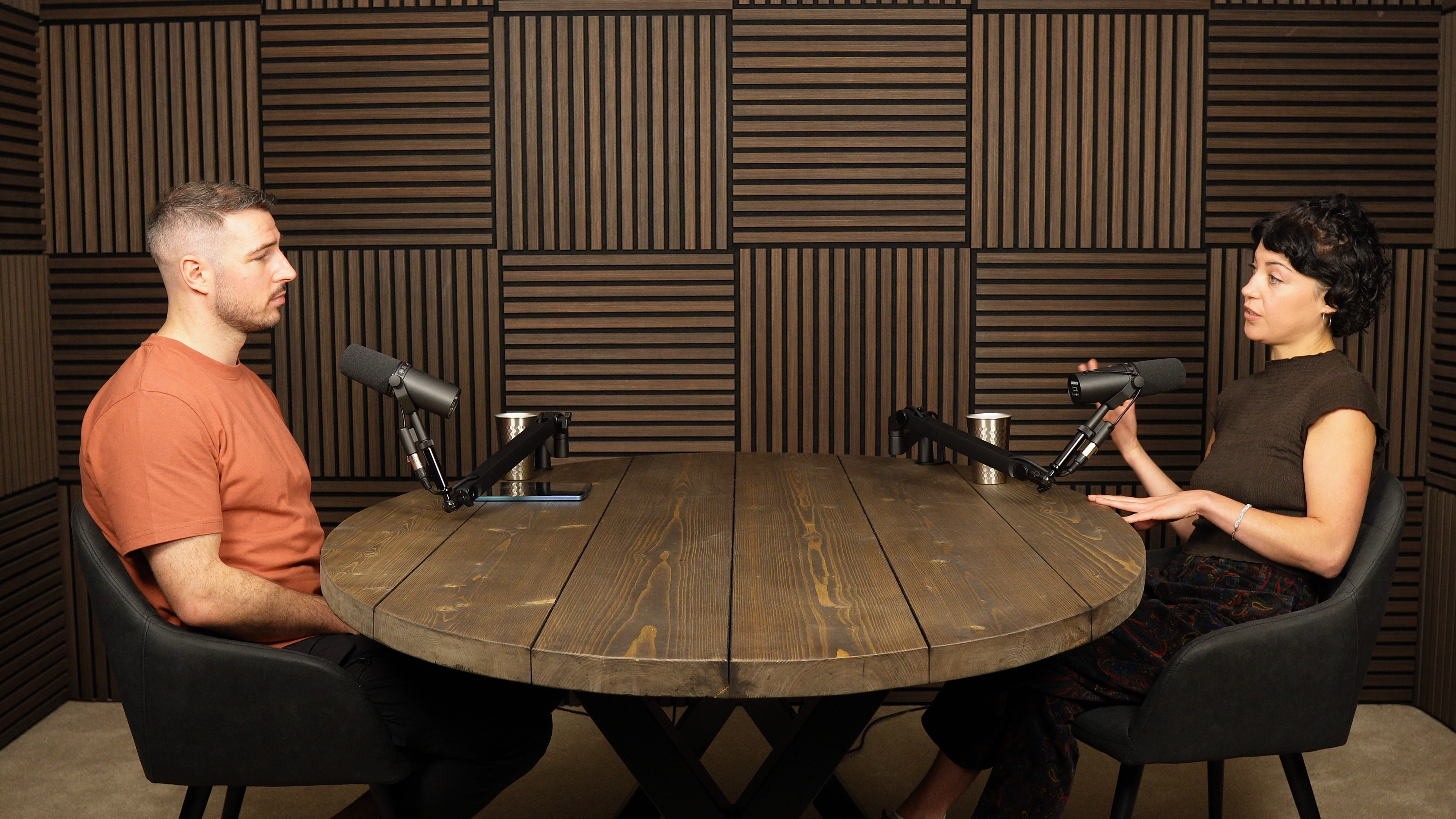
Disclaimer: Dean spoke in a personal capacity, not on behalf of any agency or organisation. Conversation, not legal, planning, or policy advice.
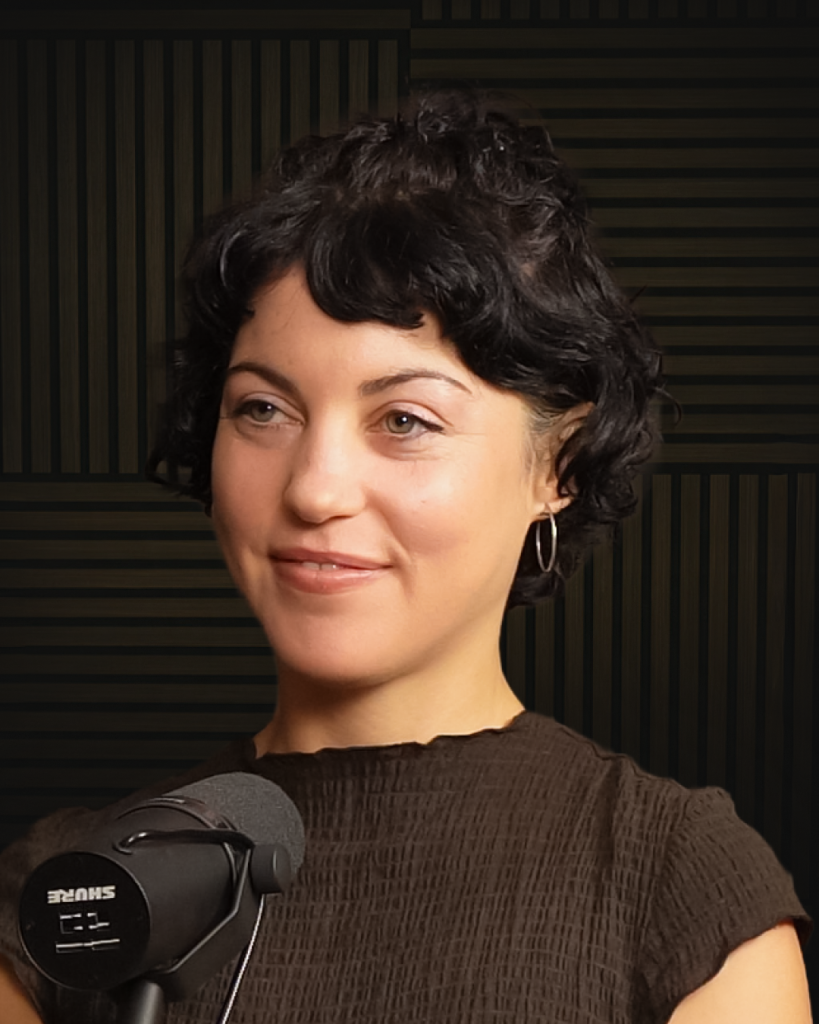
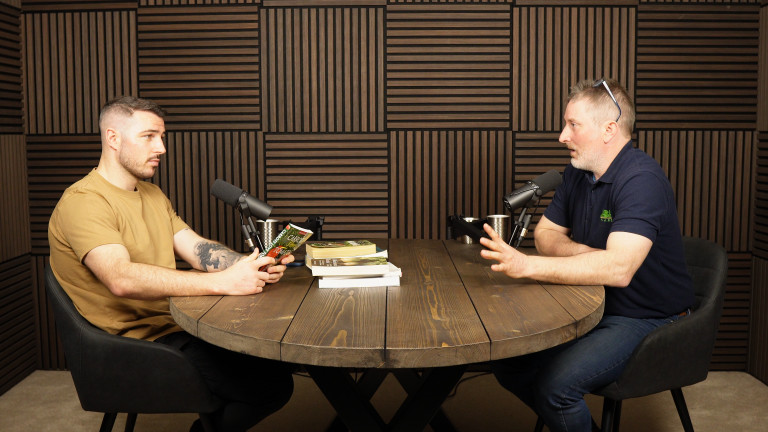
Joanne Fullerton is on The Infinite Creators Podcast this week and I’m going to be thinking about what she said for a long time.
Joanne is a food sovereignty advocate, a facilitator, and a mushroom cultivator based in Donegal. She has a master’s degree in Food Security from the University of Edinburgh. She has a Permaculture Design Certificate. She works with Síolta Chroí in Monaghan, Changemakers Donegal, and the community growing project at Tuar Talún up the peninsula. She also runs mushroom cultivation workshops across Ireland.
I brought Joanne on because I wanted to learn about fungi and mushrooms and mycelium, and about how all of it is connected to the land and to us. What I got was a lot bigger than that.
Fungi are the connective tissue of the earth
This was the first line out of Joanne’s mouth when I asked what fungi are actually doing beneath our feet.
She meant it. Fungi are running the relationships between plants, bacteria, microbes, and small animals in the soil. They pull carbon into the ground. They build soil structure so it can hold water instead of letting it wash away. They make nutrients bioavailable for every plant around them.
The fungal network under the ground is called mycelium. A single mycelial network can stretch for kilometres, digesting the world around it, and sharing nutrients with plant roots in exchange for sugars the plants photosynthesize above ground. That relationship is called mycorrhizal, and most of the food we eat depends on it.
What surprised me is how young the science is. The fungal kingdom was only recognised as separate from plants in 1969. For most of scientific history we treated fungi as odd plants. We’re still catching up on what they actually do.
“Soil is alive. If it’s not alive, it’s not soil.”
Joanne Fullerton
That was another line that stopped me.
Most of us look at soil and see dirt. Joanne sees a living system of fungi, bacteria, microbes, and plant roots in constant exchange. When we kill that system, whether by overworking the ground, or relying too heavily on artificial inputs, the plants might keep growing for a while, but the ecosystem underneath them is slowly dying.
Fertilizer, she told me, is fast food for plants. It gives them the nutrients directly, which sounds efficient, until you realise it means the plants no longer need to form the deeper relationships with the fungi and bacteria that would have made those nutrients bioavailable naturally. Over time, the soil loses its complexity. The microbial life thins out. The structure weakens.
Same story as us and ultra-processed food. Fast inputs, no depth, the whole system pays the cost eventually.
Food security is not food sovereignty
One of the distinctions Joanne drew that I hadn’t thought about before is the difference between food security and food sovereignty. They sound like the same thing. They’re not.
Food security is the idea that a population has enough food. Which sounds good. The problem is who decides. When an institution or a corporation decides your food supply is secure, you don’t have much say in what’s in it, where it comes from, or who profits from it.
Food sovereignty is about the people in a community having the power to grow, choose, and access food themselves. It’s about shortening the distance between the soil and the plate. It’s about knowing the face of the person who grew what you eat.
Joanne talked about a major carrot grower in Ireland that recently closed. Prices had been dropping despite inflation, and eventually the business couldn’t sustain itself. Meanwhile the country keeps buying carrots from abroad. That gap, between what we can grow here and what we actually put on our shelves, is exactly what food sovereignty is trying to close.
There’s a movement working on this. Feeding Ourselves at Cloughjordan every year. Talamh Beo, the farmer-led network. Síolta Chroí in Monaghan, where Joanne spends a lot of her time. Groups across Ireland working with farmers and communities to rebuild the relationships between the two.
Greece, wildfire, and a fungus that heals
One of the parts of our conversation I didn’t see coming was Greece.
In 2024, Joanne travelled to the Peloponnese to shadow a fungi grower she’d been researching. Not long into her time there, a wildfire tore through thousands of acres of the landscape right next to the valley she was staying in. Two people died. She watched the locals try to stay calm and could tell from their faces that they weren’t.
A few days later she was scrolling Instagram and came across the work of a California-based mycologist named Maya S. Maya’s organisation, CoRenew, was running research on using mycelium to absorb toxic runoff after wildfires. She makes what she calls waddles, giant sausage-like rolls stuffed with straw and mycelium, and she places them where water would normally carry fire-damage toxins into rivers and the wider environment. The mycelium absorbs the toxins. The rivers stay cleaner. The land recovers faster.
Joanne reached out. Maya was already planning a trip to Europe. A few months later Joanne brought her to Ireland and they ran workshops together, including one in Donegal with the Mill River Group.
Fungi are not just food. They are frontline climate technology, being used right now to clean up damage that modern systems cannot.
A vegetarian since seven, now eating wild venison
The other part of the conversation that made me think hardest was personal.
Joanne has been vegetarian since she was seven years old. A few years ago, she started eating wild venison. Not farmed meat. Wild, culled from Irish forests, where there are no wolves to keep the deer population in check.
Her reasoning is ecological. If we want forests back, we need fewer deer. If deer need to be culled anyway, the meat is real food that costs the ecosystem nothing. She made the call not because she abandoned her values but because her values evolved when her knowledge did.
I found that quietly powerful. The willingness to reconsider a position you’ve held for 25 years because new information changed the math.
The mycelial network is a metaphor
At the end of our conversation, Joanne circled back to where she started.
The mycelial network is the metaphor. What fungi do under the soil, we need to do above it. Build relationships. Share what we have. Digest and recompose what’s around us into something that keeps the cycle going. You can’t have a resilient community above ground on dead soil below.
Her phrase, which I’ve been repeating to myself since we stopped recording: we literally need each other to be able to progress.
That’s the whole thing.